Introduction
Navigating the world of surety bonds can feel like traversing a complex maze. With varying requirements across different regions, understanding the nuances is crucial for businesses and individuals alike. Surety bonds serve as a safety net, ensuring that contractual obligations are met, and they play a pivotal role in various industries including construction, licensing, and other commercial ventures. In this article, we will delve deep into the regional variations in surety bond requirements, offering you a comprehensive understanding of how these differences can impact your projects and decisions.
Surety Bond Requirements: An Overview
What is a Surety Bond?
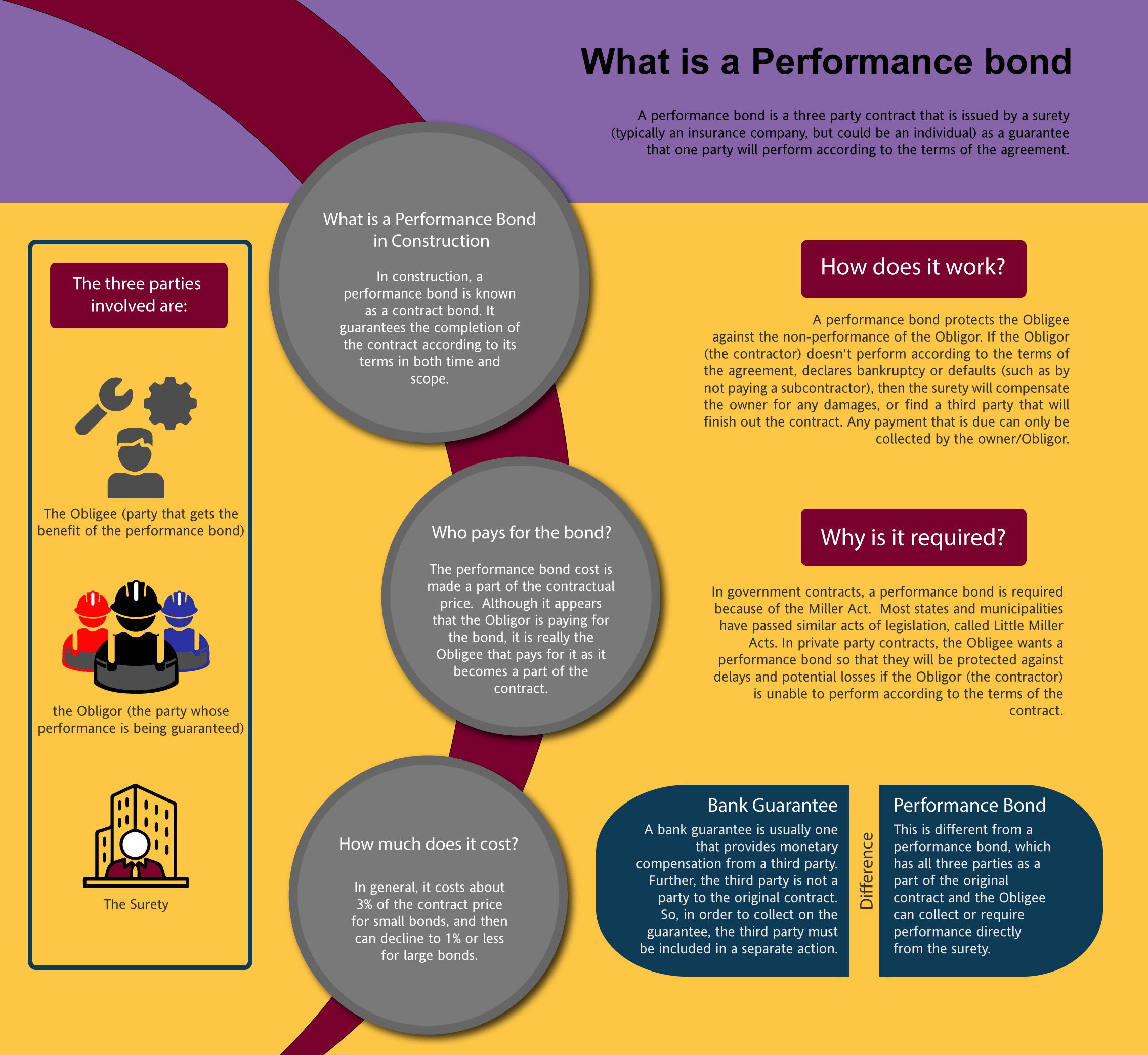
A surety bond is essentially a three-party agreement involving the principal (the party that needs the bond), the obligee (the party requiring the bond), and the surety (the bonding company). The purpose of this bond is to ensure that the principal fulfills their https://sites.google.com/view/swiftbond/surety-bonds/can-the-obligee-request-changes-to-the-surety-bonds-scope-of-liability contractual obligations. If they fail to do so, the surety must compensate the obligee for any losses incurred.
Types of Surety Bonds
Contract Surety Bonds: Commonly used in construction projects to guarantee completion. Commercial Surety Bonds: Required by government agencies for licenses or permits. Court Surety Bonds: Used in legal proceedings to ensure compliance with court judgments.Understanding these types is essential as different regions may have specific requirements for each category.
Regional Variations in Surety Bond Requirements Explained
Why Do Regional Variations Exist?
Regional variations in surety bond requirements stem from local laws, industry standards, and economic conditions that differ across jurisdictions. Each state or region may have unique regulations influenced by historical contexts and market dynamics.
State-Specific Regulations
California:- California has stringent bonding requirements for contractors. The state mandates public works contracts to be bonded to protect public resources.
- Texas has more lenient regulations but still requires certain contractors to obtain performance bonds. Different municipalities may impose additional bonding requirements.
- New York’s bonding requirements vary significantly between private and public projects. The city requires substantial guarantees for large-scale developments.
Key Factors Influencing Surety Bond Requirements
Economic Conditions
Local economic conditions can dictate how strict or lenient surety bond requirements are. For example:
- In booming economies, stricter regulations may be enforced to protect stakeholders. Conversely, during economic downturns, states may relax some requirements to encourage business growth.
Industry Standards
Certain industries have established norms that dictate bonding practices:
| Industry | Typical Bond Requirement | |------------------|---------------------------------------------------| | Construction | Performance bonds often mandated | | Environmental | Liability bonds required for hazardous activities | | Real Estate | License bonds needed for real estate agents |
Government Regulations
Federal and state governments impose regulations tailored to protect public interests which can affect bonding:
- Federal projects often require stricter bonding than state or local ones. Regulatory bodies frequently update bonding laws based on emerging trends.
How to Determine Your Region's Bonding Needs
Research Local Laws
To accurately ascertain your region's bonding needs:
Consult state statutes regarding surety bonds. Review guidelines from local governing bodies or regulatory agencies.Engage with Local Experts
Connecting with local insurance agents or attorneys can provide insights into specific regional requirements that might not be readily apparent through research alone.
Common Challenges with Surety Bonds Across Regions
Misunderstanding Requirements
One common pitfall involves misinterpreting what type of bond is necessary for particular projects surety bonds or licenses:
- Ensure you fully understand whether a contract bond or commercial bond applies to your situation before proceeding.
Changes in Legislation
Keeping up with evolving regulations can be daunting:
- Regularly check updates from relevant government websites or trade associations that focus on surety bonds.
Case Studies: Regional Differences in Action
Case Study 1: California vs. Texas Construction Bonds
In California, contractors must adhere to rigorous laws requiring both performance and payment bonds for public works projects costing over $25,000. In contrast, Texas allows more flexibility; while larger projects require performance bonds, smaller contracts might only necessitate payment assurance without extensive documentation.
Case Study 2: New York Licensing Bonds vs. Florida's Approach
New York mandates significant performance bonds for contractors involved in large-scale developments while also requiring license-related bonds from various professionals like real estate agents. Meanwhile, Florida has simpler processes allowing quicker access to licenses with fewer upfront financial commitments through lower bond amounts.
FAQs About Surety Bond Requirements by Region
What are common types of surety bonds required nationwide?- Most states require contractor performance bonds and licensing bonds; however specifics vary by jurisdiction.
- Your need depends on your industry and local regulations; consult with a professional if unsure.
- Yes, some small businesses might qualify for exemptions based on project scope or financial stability.
- Changes occur regularly due to new legislation; it’s wise to stay updated via industry news sources or government announcements.
- Yes! There’s typically an appeals process outlined by the bonding company or regulatory body involved.
- Failure might result in penalties such as project delays or inability to secure necessary permits until compliance is achieved.
Conclusion: Understanding Regional Variations Is Key
Understanding regional variations in surety bond requirements is critical for anyone looking to navigate business operations smoothly across different jurisdictions. By familiarizing yourself with local regulations, consulting experts when necessary, and staying informed about changes in legislation, you optimize your chances of success while minimizing risks associated with non-compliance.
The landscape of surety bonds is constantly evolving—so keep informed! Whether you're embarking on a construction project or seeking a professional license, knowing what you're getting into will not only safeguard your interests but also enhance your credibility within your chosen field.
Stay proactive about your research on “regional variations in surety bond requirements.” After all—knowledge is power!